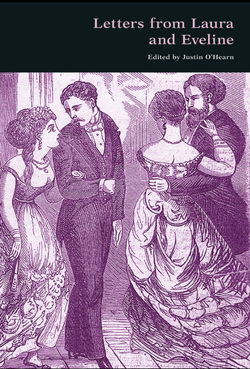
I am in Germany, and Chance, that sneaky god, throws me into the arms of one of those followers of the Price von Eulenburg and Kuno von Moltke, whose neo-Greek exploits delighted all the satiric newspapers five or six years ago.(Tr. Lawrence R. Schehr)
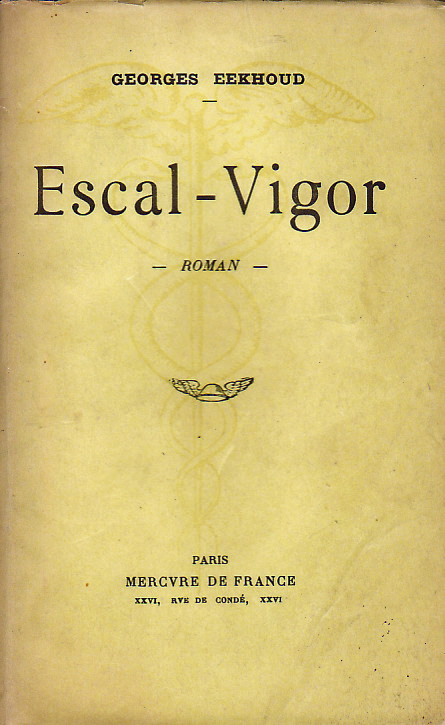
After being dumped by his girlfriend, an professedly heterosexual Parisian musician travels to Germany to find love. Failing to attract a woman, he falls in love with a male German officer over a Wagner concert. When later introduced, he falls in love with the officer's sister as well. World War I begins and the painter enlists while the officer deserts, stressing their relationship further.
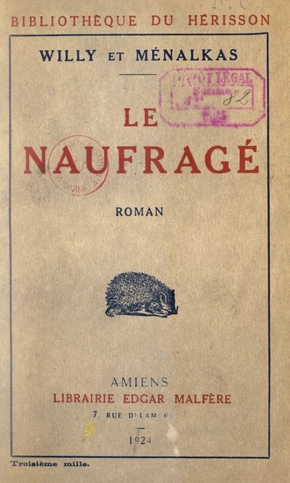
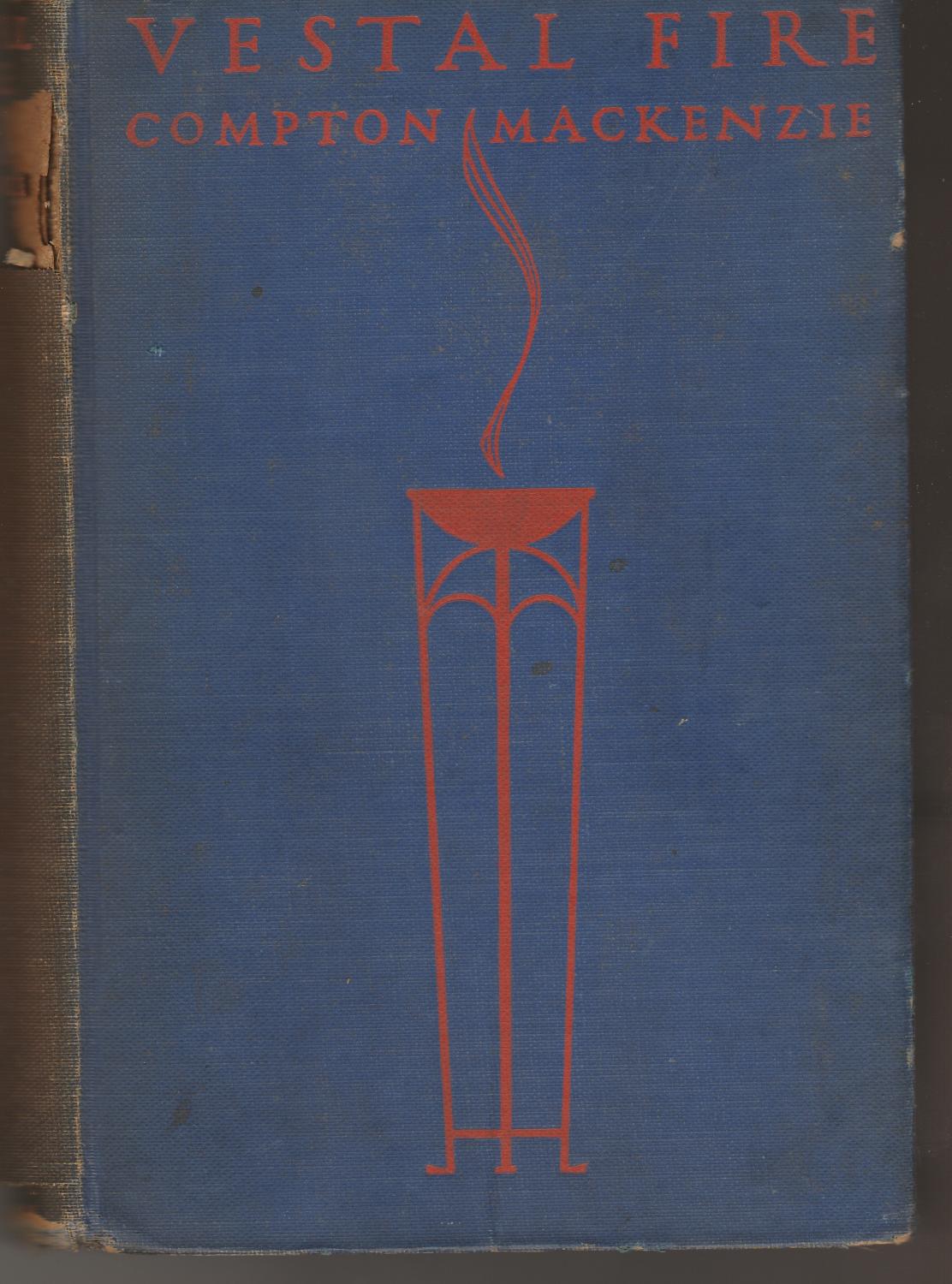
The Replacement of Love in English. The book begins in the summer of 1913 and ends at Christmas 1919. Its sequel is Le Naufrage (1924).
The novel is discussed at length with short translations in Lawrence R. Schehr's French Gay Modernism (2004).
Suzanne de Callias (24 January 1883—4 February 1964) was born in Paris. She remained a pacifist and feminist throughout her life, and went on speaking tours to promote women's suffrage and rights.

Ménalkas was her masculine pseudonym for each work written in collaboration with Willy: "L'Ersatz d'amour" (1923) and "Le Naufragé" (1924), a pair of novels, and "Le Fruit vert" (1927), a short story collection. However, her novels did not sell as well as they were acclaimed, and neither sold more than 10,000 copies.
Afterwards, she contributed articles to magazines like the German-language "Hamburger Fremdenblatt," provided illustrations to various journals, and wrote for various publishers. These brought her grander success. For a significant time, her work built each year on Feminist themes, starting with "Jerry: fragments d'un journal authentique; roman inédit" (1923), where a strong-willed female artist wishes for a child but no man; she courts an intellectual American man to obtain what she wants, and succeeds with a faint, hinted regret. "Monsieur Fayol et sa fille" (1924) depicts the modern woman in public life, "Lucienne et Reinette" (1925) depicts a lesbian relationship, and the nonfiction "Florilège de l’antiféminisme" (1926) exposed inequalities between the sexes around the world.