Read Now:
About:
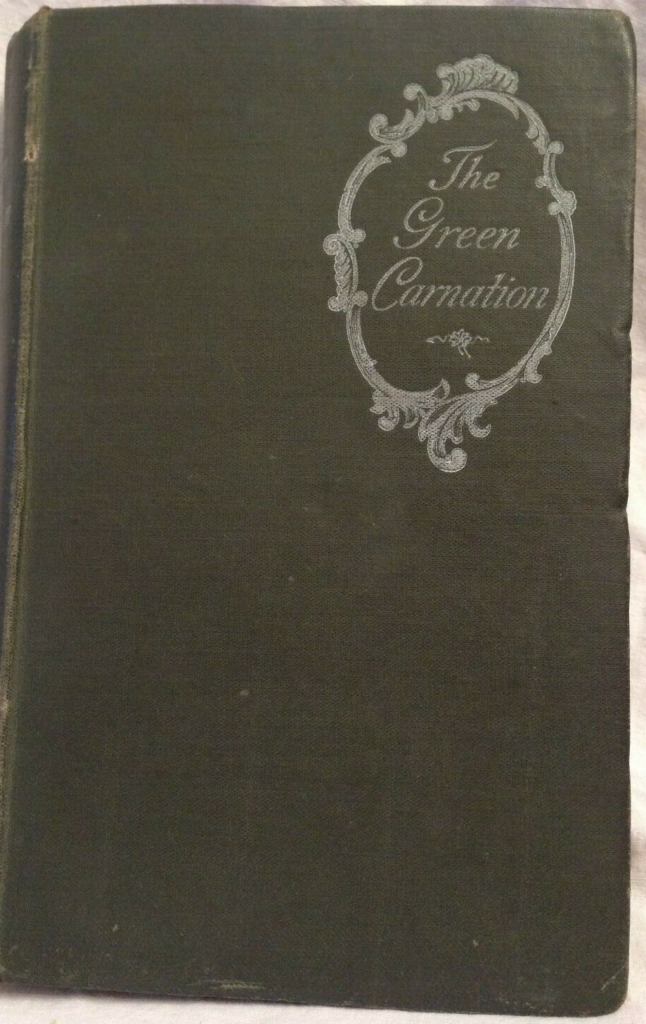
A satire of Oscar Wilde and Bosie written by a friend and containing dialogue from real conversations with them. A woman finds herself entranced by the effeminacy of the Bosie figure, who entertains marrying her before he comes to his senses.
The book was used against Wilde in his infamous court trails, causing the publisher and Hichens to withdraw the book from sale in England. It continued to be produced in the US.
It was originally published anonymously. Wilde wrote to the Pall Mall Gazette on October 2, 1894 to declare that he had not written the novel.
The book is filled with references to artistic contemporaries and 1890's pop culture, so it can be a little difficult to follow every joke. The University of Nebraska Press (1970) version, edited by Stanley Weintraub, contains a helpful glossary.
Editions
- London : William Heinemann (1894) first English edition. The title page states "Pioneer Series" at the top and features an image of four Japanese women. Seems to be in print through 1901, when Hichen's name is added.
- New York : D. Appleton and Company (1894) first American edition is available at Archive.org. Seems to be in print through 1899. The 1895 edition is available at Google.
- Chicago : Argus Books (1929)
- London : Unicorn Press (1949) edition is the first to be published in England after Hichens ended publication during the Wilde Trials. It includes a foreword by Hichens on his relationship to Wilde, Bosie, E. F. Benson, and the book. Richard Dalby's Library hosts pictures of the book and dust cover from all angles.
- Icon F2, British (1961) paperback edition.
- University Press of Nebaska Press (1970) edition with an introduction by Stanley Weintraub is available on Archive.org. Contains a glossary for pop culture references.
Trigger Warnings
IMPLIED PEDOPHILIA: At the end of the novel, Esmé, the figure of Wilde, gives a lecture to a group of young boys, are are enraptured by him.