John T. Wheelwright
John Tyler Wheelwright (26 January 1856–23 December 1925) was an American author born in Boston, where he continued to live, work, and set much of his fiction in.
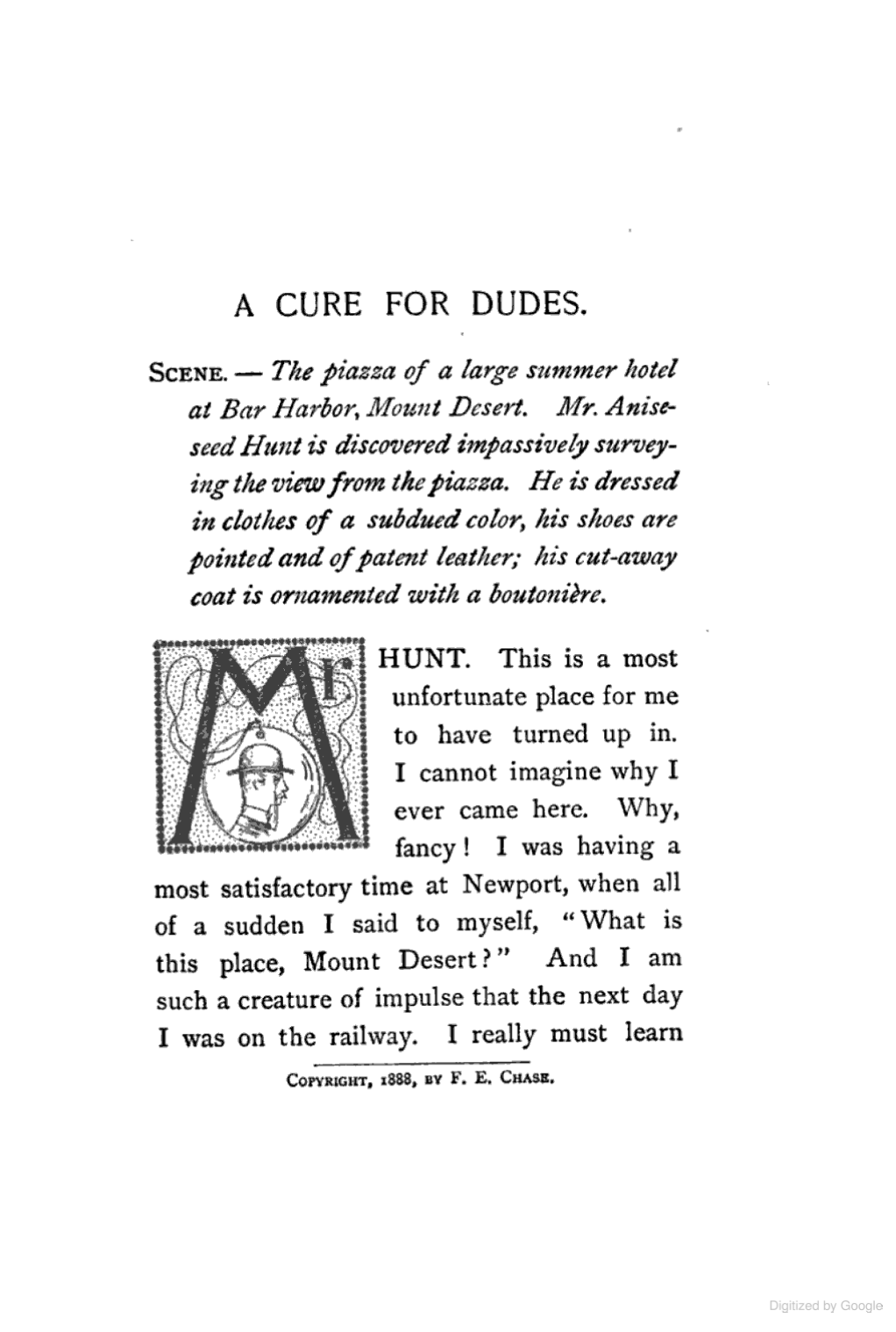
Humor suffuses nearly all of his shorter work writing, including:
"Rollo's journey to Cambridge" (1879-1880), a series of collaborative columns in the Harvard Lampoon.
"A New Chance Acquaintance" (1880), a poem satirizing the snobbishness of Boston against the "vulgar" allure of Patagonia.
"Poison: A Farce" (1882), a criticism of capitalist gain.
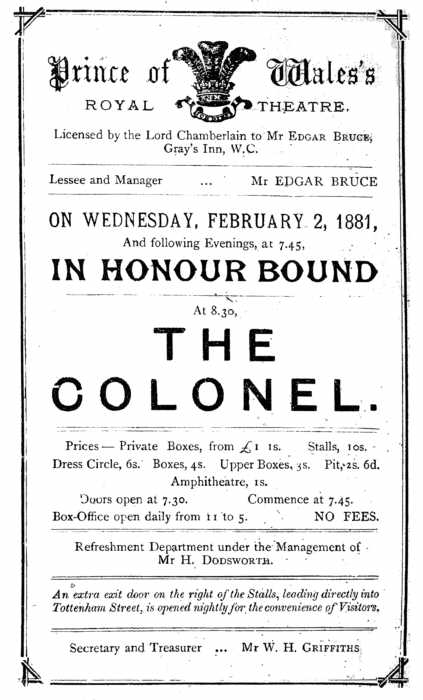
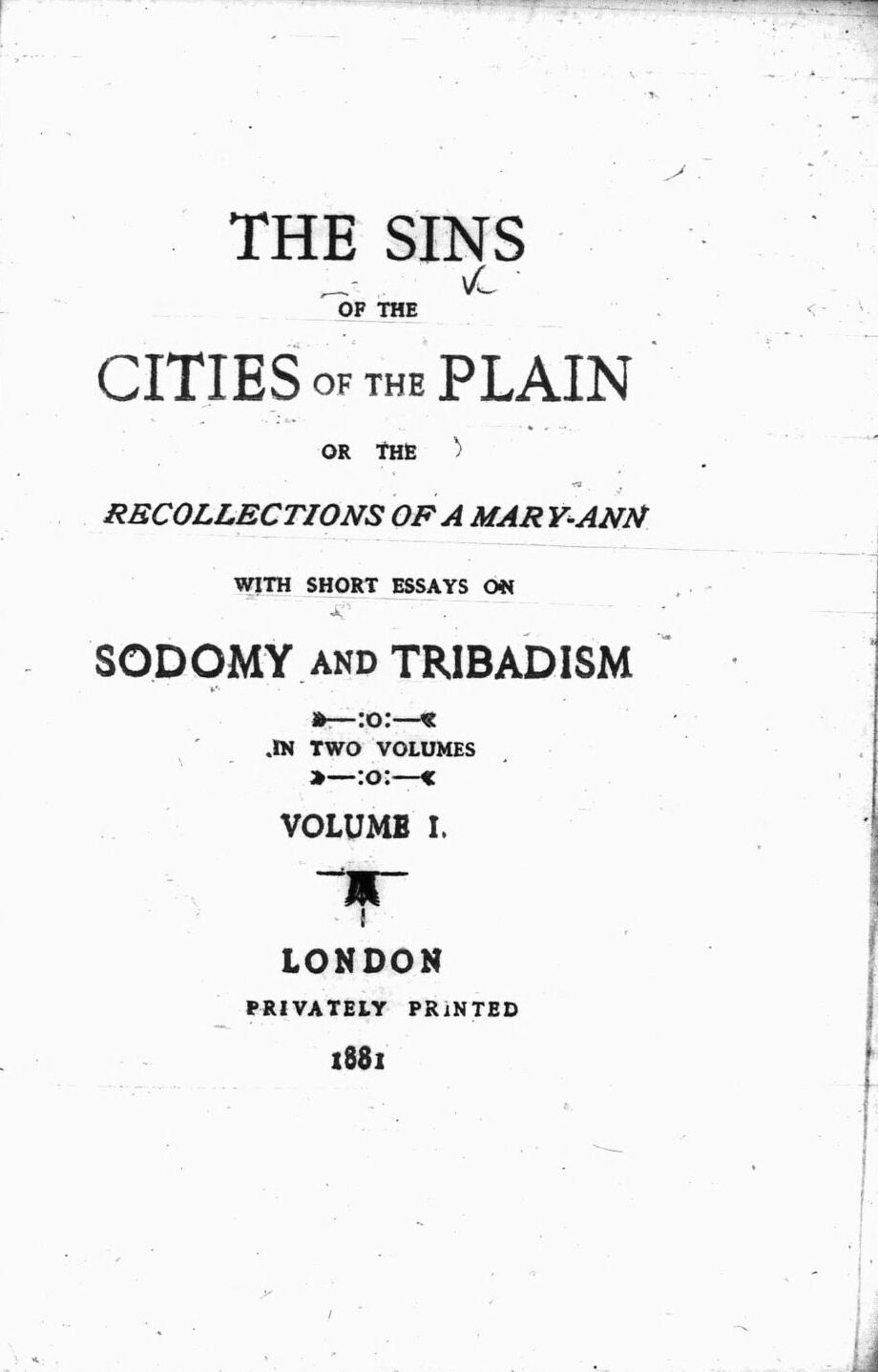
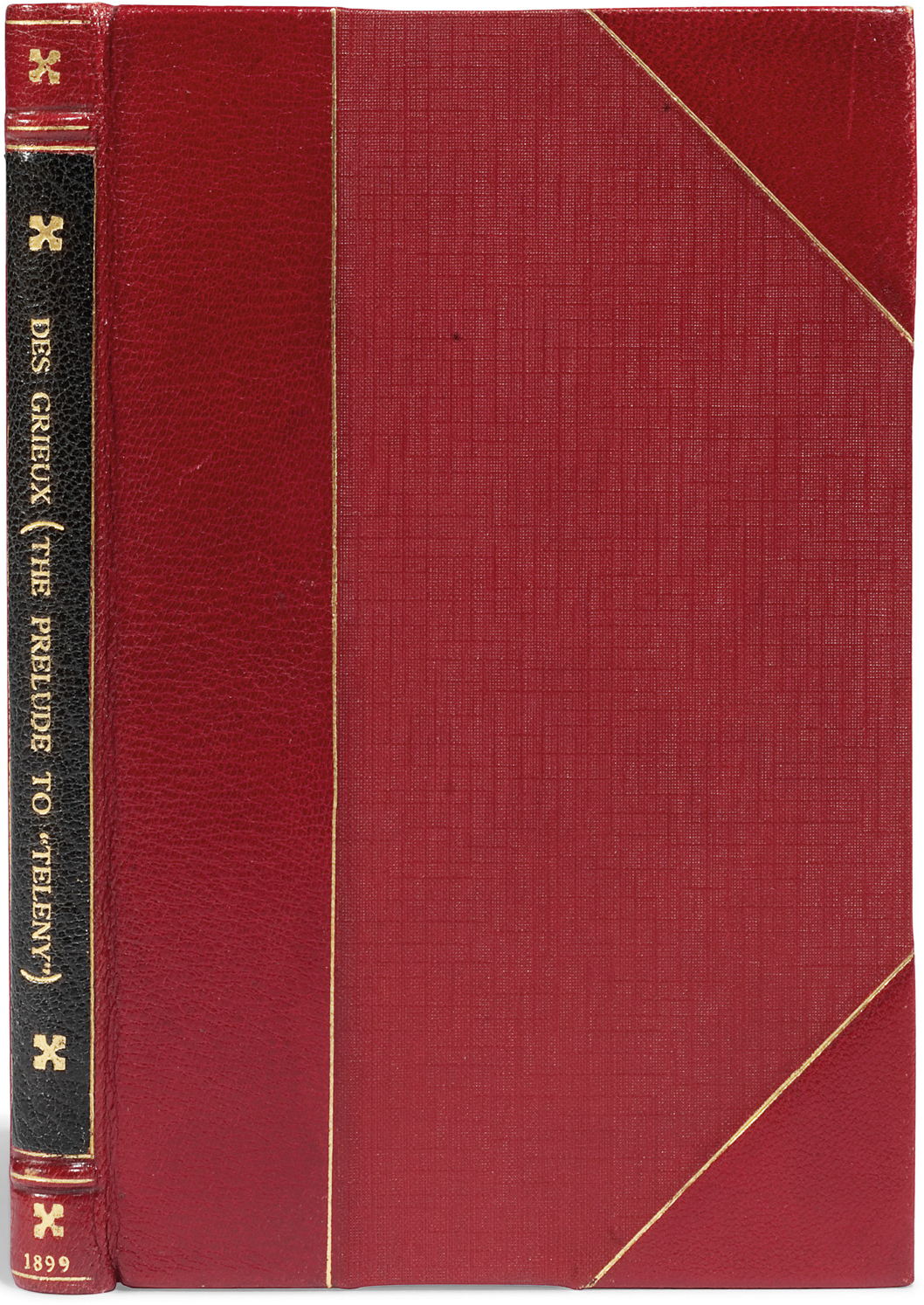
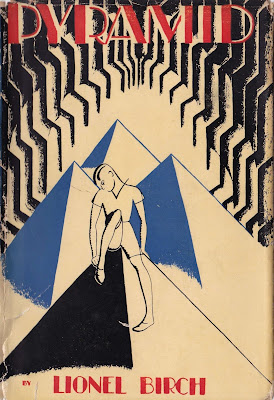
"The Roman Bath" (1920), a homoerotic tale about a man who visits a bath in emulation of David Copperfield.
His novels matter chiefly among morality and politics:
"The Kings Men: A Tale of Tomorrow" (1884), was a collaborative work about a utopian, classless future.
"A Child of the Century" (1887), a political drama between Boston and Washington, D.C.
"A Bad Penny" (1896), a nautical morality tale.
"War Children" (1908), which followed children learning to support Lincoln in the American Civil War.
His nonfiction includes:
"A History of the India Wharf Rats, 1886-1911," (1912), an overview of an American commerce club he was a member of.
"Mayflower Pilgrims" (1922), an 8-volume history of early American colonists.
"Great Givers to Boston" (1925), an article series from the Boston Sunday Globe.
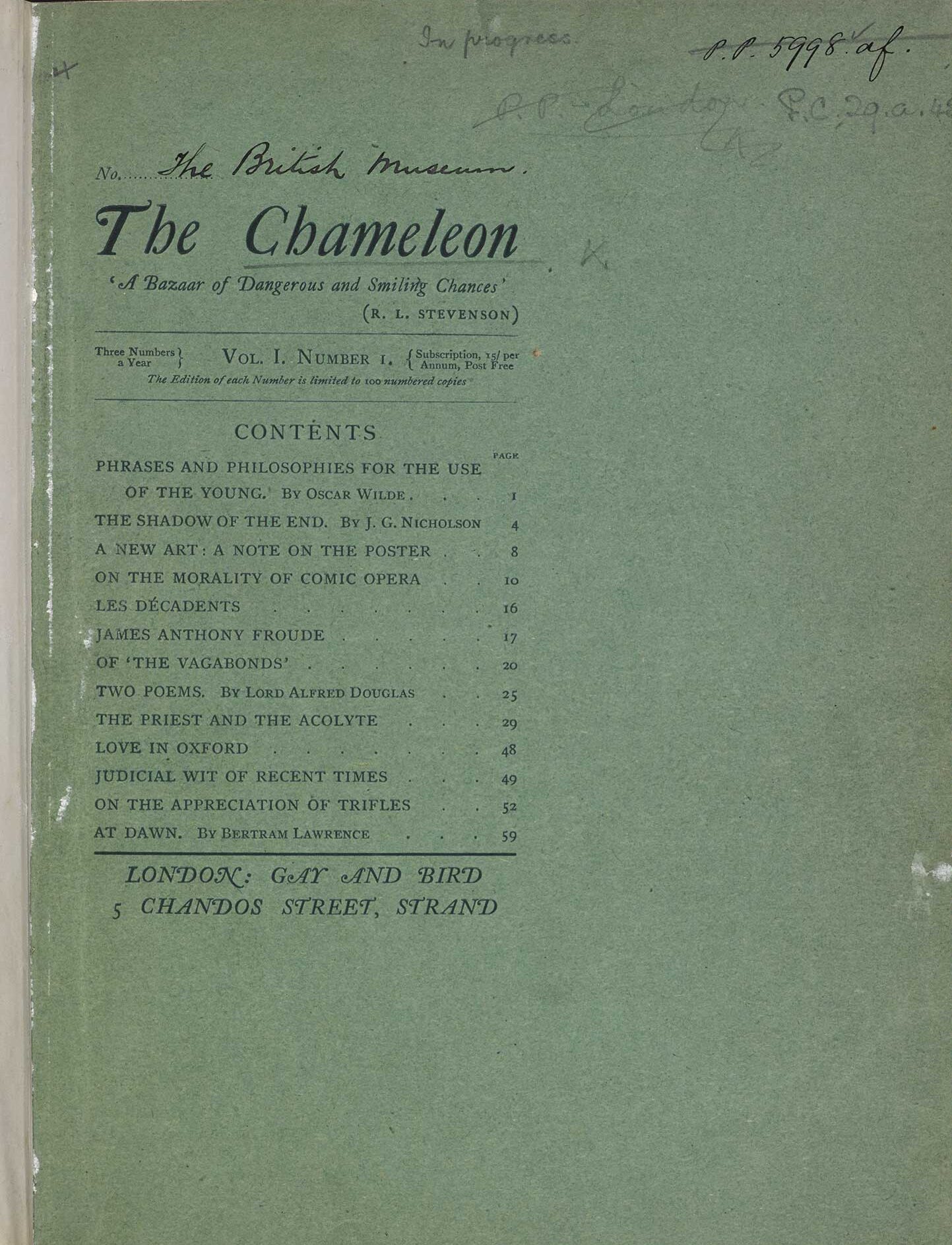
In his undergraduate years at Cambridge, he founded The Harvard Lampoon in 1876 with his brother, Edmund March Wheelwright (14 September 1854 – 15 August 1912) and five other students. In 1918, 42 years after its foundation, he returned to serve as its literary editor. It is currently one of the longest running undergraduate humor magazines. He was also a long-standing member of Harvard's Hasty-Pudding Club.
While writing remained a lifelong passion, his true occupation was in law. He graduated from the Harvard Law School with his masters in 1878, and went on to practice in Boston. Governor Russell soon appointed him to multiple governmental positions, including chairman of the MA Gas and Electric Light Commission, Assistant Corporation Counsel, Acting Park Commissioner, Counsel Member of the MA Dept. of Public Health, and more. Simultaneously, he worked as chairman of the finance committee of the Democratic State Committee, and managed congressional campaigns for John F. Andrew.
His household seemed wealthy: they lived in Boston with multiple Irish servants, including a coachman. Prior to his marriage, he lived with his widowed mother and a trio of servants. His three living siblings had long moved away: Charles Storey Wheelwright (5 Jan 1847-28 Nov 1913) succeeded their father George W. (19 Sep 1813-16 Dec 1879) as a paper manufacturer, Edmund became a highly influential architect, and Susan married a lawyer from New York. His brothers Jeremiah (15 Jun 1851-25 Sep 1852) and David Page (26 Jun 1848-14 Mar 1867) died young.
In 1907, he married Mabel Delano Alerrlam (31 Jul 1876-Jul 1962), and their son, Merriam (30 Jul 1908-1967), was born the following year. Merriam would go on to work for a boat manufacturer, and continued to live with his mother into at least his 40s.